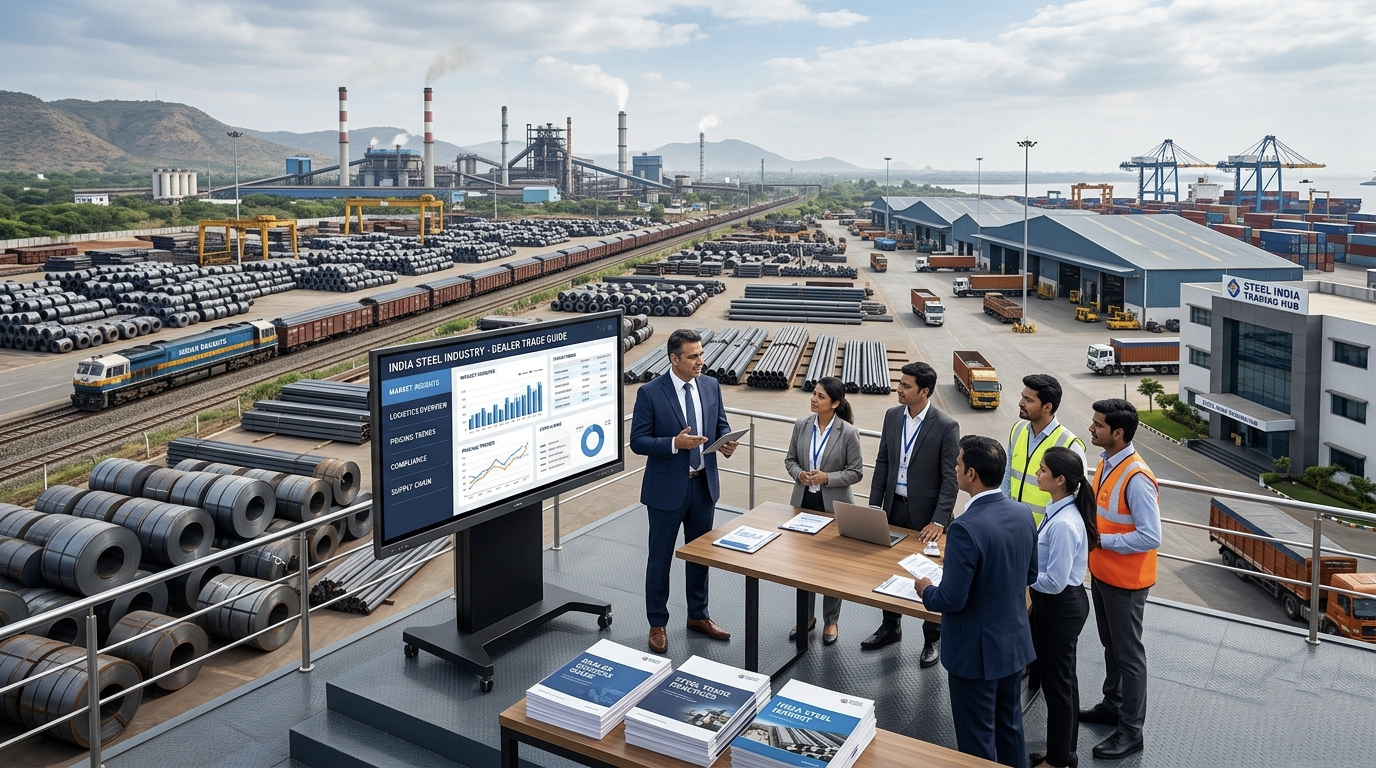
Trade Guide for Indian Steel Dealers: Pricing, Sourcing and Profit Strategies
The steel trading business in India operates in a dynamic and highly competitive environment influenced by price volatility, demand cycles, and supply chain constraints. Steel dealers play a critical role in connecting manufacturers, distributors, and end-users across construction, infrastructure, and manufacturing sectors. To succeed in this market, dealers must understand pricing mechanisms, maintain strong sourcing networks, and manage risks effectively.
Understanding Steel Pricing Dynamics
Steel prices in India are influenced by multiple factors, including global demand, raw material costs such as iron ore and coal, currency fluctuations, and government policies. Dealers must closely track daily price movements across key markets such as Ahmedabad, Mandi Gobindgarh, Raipur, and Mumbai. Prices for scrap and finished products like TMT bars can change frequently, making it essential to stay updated with real-time market trends.
Seasonal demand also plays an important role. Construction activity typically increases during dry seasons, leading to higher demand for steel products. Conversely, monsoon periods often slow down activity, impacting prices and volumes. Dealers who anticipate these cycles can optimize their buying and selling strategies.
Sourcing Strategies for Better Margins
Efficient sourcing is one of the most important aspects of steel trading. Dealers must build relationships with reliable suppliers, including mills, scrap yards, and importers. Diversifying sourcing channels helps reduce dependency on a single supplier and provides flexibility in price negotiations.
Scrap procurement is particularly important for secondary steel producers. Markets like Alang and Mandi Gobindgarh serve as major hubs for scrap trading. Monitoring availability and price trends in these markets allows dealers to secure inventory at competitive rates. Timely procurement during price corrections can significantly improve margins.
Managing Inventory and Working Capital
Inventory management is a critical factor in steel trading profitability. Holding large inventories during a falling price trend can lead to losses, while insufficient stock during rising demand can result in missed opportunities. Dealers must strike a balance by aligning inventory levels with market conditions and demand forecasts.
Working capital management is equally important. Steel trading requires substantial capital for procurement, logistics, and operations. Delayed payments from buyers can strain liquidity, making it essential to maintain a healthy cash flow. Many dealers are increasingly using financing options such as invoice discounting and short-term credit facilities to manage working capital efficiently.
Risk Management in Steel Trading
Price volatility is one of the biggest risks in the steel business. Sudden changes in global markets or domestic policies can lead to sharp price movements. Dealers must adopt risk management practices such as staggered purchasing, maintaining optimal inventory levels, and diversifying their customer base.
Credit risk is another key concern. Extending credit to buyers without proper assessment can result in payment defaults. Dealers should evaluate customer credibility and set clear credit terms to minimize financial risks. Leveraging digital tools and financial data can help in better decision-making.
Leveraging Technology and Market Intelligence
Technology is transforming the steel trading landscape. Digital platforms now provide real-time price updates, demand insights, and analytics that help dealers make informed decisions. Access to reliable market intelligence allows dealers to identify trends early and adjust their strategies accordingly.
Online marketplaces and trading platforms are also expanding reach, enabling dealers to connect with buyers and suppliers across regions. This reduces dependency on local markets and opens new growth opportunities.
Future Outlook for Steel Dealers in India
India’s steel demand is expected to grow steadily, driven by infrastructure development, urbanization, and industrial expansion. This presents significant opportunities for steel dealers to expand their operations and improve profitability. However, success will depend on adaptability, efficient operations, and strong financial management.
Dealers who focus on building strong supplier networks, leveraging technology, and maintaining disciplined financial practices will be better positioned to navigate market challenges. As the industry evolves, the ability to respond quickly to changing market conditions will remain a key competitive advantage.
In conclusion, steel trading in India offers substantial opportunities but requires a strategic approach to sourcing, pricing, and risk management. By staying informed and adopting modern practices, steel dealers can achieve sustainable growth in a rapidly changing market environment.